

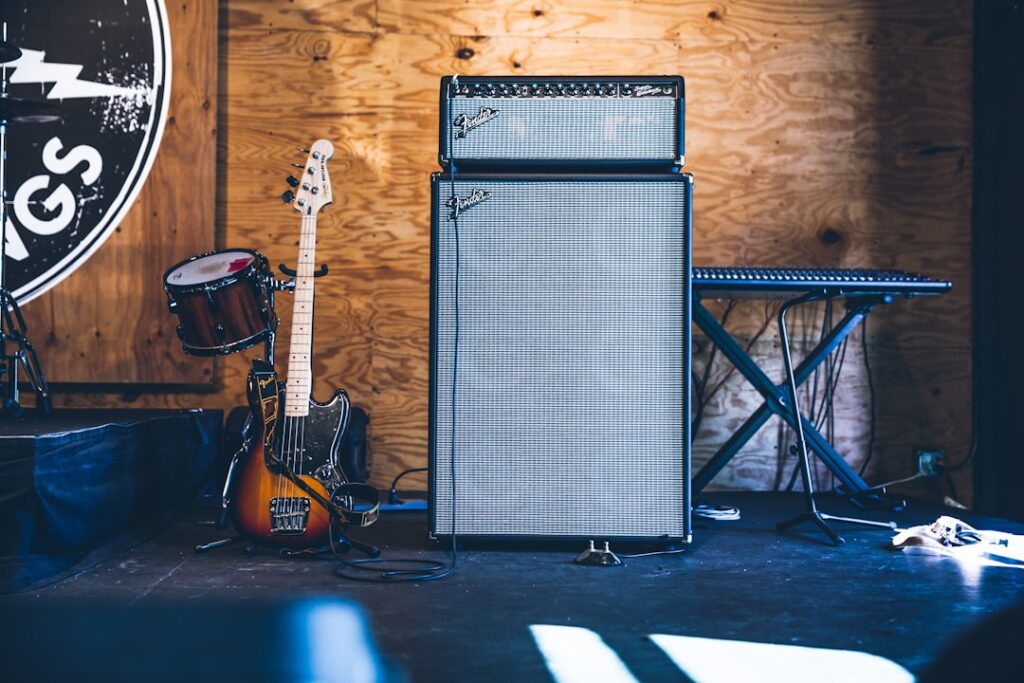
Classic guitar amps are an essential component of any guitarist’s setup. These amps are known for their warm, vintage sound and are often favored by musicians who play blues, rock, jazz, and other genres that benefit from a rich, dynamic tone. Classic guitar amps typically use vacuum tubes to amplify the signal from the guitar, which contributes to their distinctive sound. These amps come in various configurations, including combo amps (which have the amplifier and speaker in one unit) and amp heads (which require a separate speaker cabinet). Understanding the basics of classic guitar amps is crucial for any guitarist looking to achieve their desired sound.
Classic guitar amps are known for their ability to produce a wide range of tones, from clean and crisp to overdriven and distorted. They often feature multiple channels, allowing the guitarist to switch between different sounds with the push of a button or the stomp of a footswitch. Additionally, classic guitar amps typically have a variety of controls, including knobs for adjusting the volume, tone, and gain, as well as switches for selecting different input levels and engaging built-in effects such as reverb or tremolo. By understanding how these controls work together, a guitarist can dial in the perfect sound for their playing style and musical preferences.
Choosing the Right Classic Guitar Amp for Your Playing Style
When it comes to choosing the right classic guitar amp for your playing style, there are several factors to consider. First and foremost, you’ll want to think about the type of music you play and the sound you’re trying to achieve. If you’re a blues guitarist looking for a warm, vintage tone, you might gravitate towards a classic tube amp known for its smooth overdrive. On the other hand, if you’re a rock guitarist who needs plenty of headroom and a tight low end, you might opt for a higher-wattage amp with more clean headroom.
Another important consideration when choosing a classic guitar amp is the size and configuration. Combo amps are convenient and portable, as they combine the amplifier and speaker in one unit, making them ideal for small gigs and rehearsals. Amp heads, on the other hand, offer more flexibility, as they can be paired with different speaker cabinets to achieve a variety of tones and volumes. Additionally, you’ll want to think about the power rating of the amp, as higher-wattage amps can provide more headroom and volume, while lower-wattage amps often produce a more saturated, overdriven sound at lower volumes.
Mastering the Controls and Settings of Your Classic Guitar Amp
Mastering the controls and settings of your classic guitar amp is essential for achieving your desired tone and getting the most out of your amplifier. Most classic guitar amps feature a variety of controls, including knobs for adjusting the volume, tone, gain, and reverb, as well as switches for selecting different channels and engaging built-in effects. Understanding how each of these controls works is crucial for dialing in the perfect sound for your playing style.
The volume control on a classic guitar amp adjusts the overall output level of the amplifier, allowing you to control the overall volume of your sound. The tone controls typically include knobs for adjusting the bass, midrange, and treble frequencies, allowing you to shape the tonal characteristics of your sound. The gain control adjusts the amount of overdrive or distortion in your signal, allowing you to go from a clean sound to a heavily saturated tone with just a twist of a knob. Additionally, many classic guitar amps feature built-in effects such as reverb or tremolo, which can be engaged using switches or foot pedals. By mastering these controls and settings, you can tailor your amp’s sound to suit your playing style and musical preferences.
Exploring Different Tones and Sounds with Classic Guitar Amps
| Amp Model | Tone Control | Reverb | Distortion Level |
|---|---|---|---|
| Fender Twin Reverb | Bass, Middle, Treble | Spring Reverb | Low to Medium |
| Marshall JCM800 | Presence, Bass, Middle, Treble | No | High |
| Vox AC30 | Bass, Treble, Cut | Spring Reverb | Low to Medium |
Classic guitar amps are known for their ability to produce a wide range of tones and sounds, making them versatile tools for any guitarist. By experimenting with different settings and controls, you can explore a variety of sounds ranging from clean and pristine to gritty and overdriven. Many classic guitar amps feature multiple channels, allowing you to switch between different sounds with ease. For example, you might use one channel for a clean rhythm sound and another for a heavily distorted lead tone.
In addition to the amp’s built-in controls, there are also external factors that can influence the tone of your classic guitar amp. For example, the type of guitar you use can have a significant impact on the sound of your amp. Single-coil pickups tend to produce a brighter, twangier sound, while humbuckers offer a thicker, more powerful tone. Additionally, the type of speaker cabinet you use can also affect the overall sound of your amp. Experimenting with different speaker configurations and types can help you achieve the perfect sound for your playing style.
Maintaining and Caring for Your Classic Guitar Amp
Maintaining and caring for your classic guitar amp is essential for ensuring its longevity and performance. One of the most important aspects of amp maintenance is keeping it clean and free of dust and debris. Regularly wiping down the exterior of the amp with a soft cloth can help prevent dirt and grime from building up on the surface. Additionally, it’s important to keep the vents and cooling fans clear of obstructions to prevent overheating.
Another crucial aspect of amp maintenance is ensuring that all components are in good working order. This includes checking the tubes, capacitors, and other electronic components for signs of wear or damage. If you notice any issues with your amp’s performance, such as crackling or popping sounds, it’s important to have it inspected by a qualified technician. Regularly changing the tubes in your classic guitar amp can also help maintain its performance and prevent issues such as signal degradation or loss of tone.
Tips and Tricks for Getting the Most out of Your Classic Guitar Amp

Getting the most out of your classic guitar amp involves more than just turning it on and cranking up the volume. There are several tips and tricks that can help you maximize the performance and tonal capabilities of your amp. One important tip is to experiment with different speaker cabinets and configurations to find the perfect match for your amp. Different speakers can have a significant impact on the overall sound of your amp, so it’s worth taking the time to find the right combination.
Another tip for getting the most out of your classic guitar amp is to experiment with different types of tubes. Swapping out the stock tubes for different brands or models can have a noticeable effect on your amp’s tone and performance. Additionally, using an attenuator or power soak can allow you to achieve overdriven tones at lower volumes, making it easier to get that classic tube amp sound without blowing out your eardrums.
Expanding Your Classic Guitar Amp Collection
For many guitarists, collecting classic guitar amps is a passion in itself. Building a collection of amps allows you to explore a wide range of tones and sounds, as each amp has its own unique characteristics and sonic qualities. When expanding your classic guitar amp collection, it’s important to consider factors such as budget, space, and practicality. While it may be tempting to acquire every vintage amp you come across, it’s important to be mindful of your resources and limitations.
One approach to expanding your classic guitar amp collection is to focus on acquiring amps that offer different tonal characteristics or features than those you already own. For example, if you already have a vintage Fender combo amp known for its clean tones, you might consider adding a British-style stack amp known for its aggressive overdrive. This approach allows you to build a diverse collection that covers a wide range of sonic territory. Additionally, it’s important to consider how each new addition will fit into your overall setup and whether it will complement your existing gear. By carefully curating your collection, you can ensure that each amp serves a unique purpose and adds value to your playing experience.