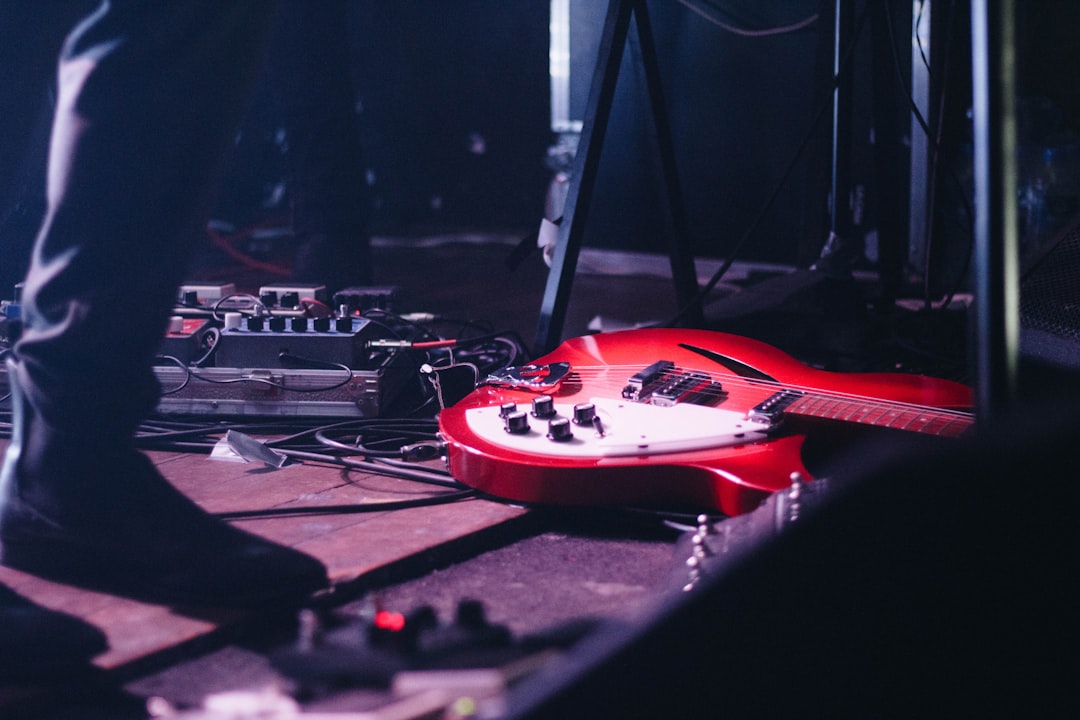


Guitars are more than just instruments; they are symbols of rock and roll culture. From the Beatles to Jimi Hendrix, guitars have played a significant role in shaping music history. These iconic instruments have become synonymous with the rebellious spirit and raw energy of rock and roll. They have been wielded by legendary guitarists who have left an indelible mark on the world of music. In this article, we will explore the birth and evolution of the electric guitar, delve into the stories behind famous guitars and their owners, discuss the influence of guitarists on music and culture, examine the significance of guitar solos in rock and roll, explore different techniques and styles of guitar playing, analyze the impact of technology on guitar design and sound, discuss the role of guitars in shaping music genres, and reflect on the legacy of legendary guitars and their owners.
Key Takeaways
- Legendary guitars are icons of rock and roll that have shaped music history.
- The electric guitar was born and evolved over time, becoming a staple in rock and roll music.
- Some of the most iconic guitars in rock and roll history include the Fender Stratocaster and Gibson Les Paul.
- Famous guitars and their owners have unique stories, such as Jimi Hendrix’s upside-down Stratocaster and Eddie Van Halen’s “Frankenstein” guitar.
- Guitarists have had a significant influence on music and culture, from Chuck Berry to Jimi Hendrix to Eddie Van Halen.
The Birth and Evolution of the Electric Guitar
The electric guitar was invented in the 1930s and revolutionized the music industry. Before its invention, guitars were primarily acoustic instruments that relied on sound resonating from their hollow bodies. However, with the advent of amplification technology, musicians began experimenting with electrifying their guitars to achieve a louder and more distorted sound. This led to the birth of the electric guitar.
The evolution of the guitar has led to new designs and sounds. In the early days, electric guitars were simple solid-body instruments with a single pickup. However, as technology advanced, so did guitar design. Companies like Fender and Gibson introduced new models with multiple pickups, allowing for a wider range of tones. The introduction of effects pedals further expanded the sonic possibilities of the electric guitar. Today, there are countless variations and models available, each with its own unique sound and character.
The Most Iconic Guitars in Rock and Roll History
The Fender Stratocaster, Gibson Les Paul, and the Telecaster are some of the most iconic guitars in rock and roll history. These guitars have been played by legends such as Eric Clapton, Jimmy Page, and Eddie Van Halen. The Fender Stratocaster, with its sleek design and versatile sound, has been a favorite among guitarists for decades. It is known for its distinctive tone and smooth playability. The Gibson Les Paul, on the other hand, is revered for its rich, warm sound and thick sustain. It has been a staple in rock music since its introduction in the 1950s. The Telecaster, with its twangy sound and simple design, has been used by countless guitarists across various genres.
These guitars have become iconic not only because of their sound but also because of the legendary musicians who played them. Eric Clapton’s “Blackie,” a heavily modified Fender Stratocaster, is one of the most famous guitars in rock history. Clapton used it extensively during his time with Derek and the Dominos and on his solo albums. Jimi Hendrix’s “Woodstock” guitar, a white Fender Stratocaster that he famously played at the Woodstock festival in 1969, is another legendary instrument. These guitars have become symbols of the musicians who played them and have left an indelible mark on music history.
The Stories Behind Famous Guitars and Their Owners
| Guitar | Owner | Price | Year | Story |
|---|---|---|---|---|
| Gibson Les Paul | Jimmy Page | 1.2 million | 1959 | Used to record “Stairway to Heaven” |
| Fender Stratocaster | Eric Clapton | 959,500 | 1956 | Played at Cream’s final concert |
| Gibson SG | Angus Young | 2.1 million | 1968 | Used on AC/DC’s “Highway to Hell” album |
| Fender Telecaster | Keith Richards | 1.2 million | 1953 | Played on many Rolling Stones hits |
| Gibson Flying V | Albert King | 1.3 million | 1958 | Known for its unique shape and bluesy sound |
The stories behind famous guitars and their owners are often filled with intrigue and emotion. These instruments become extensions of their owners’ personalities and are imbued with their unique energy. Eric Clapton’s “Blackie” is a prime example of this. Clapton pieced together this guitar from various parts he acquired over the years. It became his go-to instrument during his time with Derek and the Dominos and on his solo albums. Clapton’s emotional connection to “Blackie” was so strong that he famously retired it in 1985, vowing never to play it again.
Jimi Hendrix’s “Woodstock” guitar also has a fascinating story. Hendrix acquired the white Fender Stratocaster just days before his iconic performance at the Woodstock festival in 1969. He played it during his legendary rendition of “The Star-Spangled Banner,” creating a moment that would forever be etched in music history. The guitar itself was lost for many years but was eventually rediscovered and is now on display at the Experience Music Project museum in Seattle.
These stories highlight the deep emotional connection between guitarists and their instruments. Guitars become more than just tools for making music; they become companions and sources of inspiration. The bond between a guitarist and their instrument is often so strong that it transcends the physical and becomes a part of their identity.
The Influence of Guitarists on Music and Culture
Guitarists have had a profound influence on music and culture through their unique styles and sounds. From Chuck Berry’s pioneering use of the electric guitar in rock and roll to Kurt Cobain’s raw and emotive playing in grunge, guitarists have left a lasting impact on music history. Their innovative techniques and distinctive tones have shaped entire genres and inspired countless musicians.
One of the most influential guitarists of all time is Jimi Hendrix. His virtuosic playing and experimental approach to the instrument pushed the boundaries of what was possible on the guitar. Hendrix’s use of feedback, distortion, and unconventional chord voicings revolutionized rock music and paved the way for future generations of guitarists.
Another guitarist who has had a significant impact on music and culture is Eddie Van Halen. His lightning-fast playing, innovative use of tapping, and unique tone made him one of the most influential guitarists of the 1980s. Van Halen’s style and sound became synonymous with the era and inspired countless guitarists to pick up the instrument.
These are just a few examples of the many guitarists who have left an indelible mark on music and culture. Their contributions have shaped the way we perceive and appreciate music, and their influence will continue to be felt for generations to come.
The Significance of Guitar Solos in Rock and Roll

Guitar solos are a staple in rock and roll music. They allow guitarists to showcase their skills, express themselves creatively, and add emotion to a song. A well-executed guitar solo can elevate a song to new heights and leave a lasting impression on the listener.
Guitar solos serve as a platform for guitarists to demonstrate their technical prowess. They often feature intricate melodies, lightning-fast runs, and jaw-dropping techniques such as bending, vibrato, and tapping. These displays of skill not only captivate audiences but also inspire aspiring guitarists to push their own boundaries and strive for excellence.
In addition to technical proficiency, guitar solos also provide an opportunity for guitarists to express themselves emotionally. A well-crafted solo can convey a wide range of emotions, from joy and excitement to sadness and longing. Guitarists use techniques such as bending, vibrato, and slides to add nuance and depth to their playing, allowing them to communicate on a deeply emotional level.
Some of the most iconic guitar solos in rock history include Jimmy Page’s blistering solo in Led Zeppelin’s “Stairway to Heaven,” David Gilmour’s soulful solo in Pink Floyd’s “Comfortably Numb,” and Slash’s iconic solo in Guns N’ Roses’ “Sweet Child o’ Mine.” These solos have become legendary not only because of their technical brilliance but also because of the emotions they evoke in listeners.
The Art of Guitar Playing: Techniques and Styles
Guitar playing is an art form that encompasses a wide range of techniques and styles. From fingerpicking to shredding, guitarists have developed unique approaches to playing the instrument that have become synonymous with their sound.
Fingerpicking is a technique commonly associated with acoustic guitar playing. It involves plucking the strings with the fingertips or fingernails rather than using a pick. Fingerpicking allows guitarists to create intricate melodies and complex rhythms, making it a popular choice for folk, blues, and classical guitarists.
Shredding, on the other hand, is a technique characterized by fast and virtuosic playing. It involves rapid picking, sweeping arpeggios, and lightning-fast runs. Shredding is often associated with heavy metal and has been popularized by guitarists such as Yngwie Malmsteen, Steve Vai, and Joe Satriani.
These are just two examples of the many techniques and styles of guitar playing. Each guitarist brings their own unique approach to the instrument, combining various techniques and styles to create their own signature sound. The art of guitar playing is a lifelong journey of exploration and self-expression, requiring dedication, practice, and a deep love for the instrument.
The Impact of Technology on Guitar Design and Sound
Technology has had a profound impact on guitar design and sound. From the invention of effects pedals to the development of digital amplifiers, advancements in technology have revolutionized the way guitars are played and heard.
Effects pedals allow guitarists to shape their tone and create unique sounds. They can add distortion, delay, reverb, modulation, and many other effects to their signal chain, expanding the sonic possibilities of the electric guitar. Effects pedals have become an essential tool for guitarists across various genres, allowing them to create their own signature sound.
Digital amplifiers have also changed the way guitars are played and heard. These amplifiers use digital modeling technology to replicate the sound of classic tube amplifiers and other vintage gear. They offer a wide range of amp models, effects, and tonal options, allowing guitarists to achieve a variety of sounds with a single amplifier. Digital amplifiers are also more portable and versatile than their analog counterparts, making them a popular choice for gigging musicians.
These advancements in technology have democratized access to high-quality gear and have allowed guitarists to explore new sonic territories. They have also sparked debates among purists who argue that digital technology cannot replicate the warmth and character of vintage analog gear. Regardless of where one stands on this issue, there is no denying the impact that technology has had on guitar design and sound.
The Role of Guitars in Shaping Music Genres
Guitars have played a significant role in shaping music genres such as rock, blues, and heavy metal. The sound of the guitar has become synonymous with these genres, defining their sonic characteristics and contributing to their unique identities.
In rock music, the guitar is often the driving force behind the music. Its distorted tones, power chords, and aggressive playing style create a sense of energy and rebellion. From Chuck Berry’s pioneering use of the electric guitar in rock and roll to the heavy riffs of bands like Led Zeppelin and Black Sabbath, the guitar has been at the forefront of rock music.
In blues music, the guitar is an essential instrument that serves as both a melodic and rhythmic tool. Blues guitarists use techniques such as bending, vibrato, and slides to create expressive melodies and soulful solos. The bluesy sound of the guitar has become synonymous with the genre, evoking feelings of longing, sadness, and resilience.
In heavy metal music, the guitar takes on a more aggressive and distorted sound. Guitarists in this genre often use techniques such as palm muting, alternate picking, and power chords to create heavy and intense riffs. The guitar solos in heavy metal are often fast and virtuosic, showcasing the technical prowess of the guitarist.
These are just a few examples of the many ways in which guitars have shaped music genres. The sound of the guitar has become an integral part of these genres’ DNA, defining their sonic characteristics and contributing to their enduring popularity.
The Legacy of Legendary Guitars and Their Owners
The legacy of legendary guitars and their owners lives on through music history. These iconic instruments and the musicians who played them have left an indelible mark on the world of music. Their influence can be heard in countless songs and can be felt in the hearts of fans around the world.
The impact of guitars on music and culture will continue to be felt for generations to come. As long as there are musicians who pick up a guitar and pour their heart and soul into their playing, the legacy of these legendary instruments will live on. Guitars are more than just tools for making music; they are symbols of creativity, passion, and self-expression. They have the power to inspire, to move, and to connect people from all walks of life.
In conclusion, guitars are more than just instruments; they are icons of rock and roll culture. From the birth and evolution of the electric guitar to the stories behind famous guitars and their owners, from the influence of guitarists on music and culture to the significance of guitar solos in rock and roll, guitars have played a significant role in shaping music history. The art of guitar playing encompasses a wide range of techniques and styles, each with its own unique sound and character. Technology has had a profound impact on guitar design and sound, allowing for new sonic possibilities. Guitars have also played a significant role in shaping music genres such as rock, blues, and heavy metal. The legacy of legendary guitars and their owners lives on through music history, and their impact will continue to be felt for generations to come.
FAQs
What are famous guitars?
Famous guitars are guitars that have gained popularity and recognition due to their association with famous musicians or their historical significance.
What are some examples of famous guitars?
Some examples of famous guitars include the Fender Stratocaster played by Jimi Hendrix, the Gibson Les Paul played by Slash, and the Martin D-28 played by Elvis Presley.
What makes a guitar famous?
A guitar can become famous for a variety of reasons, including its association with a famous musician, its unique design or features, or its historical significance.
Are famous guitars valuable?
Yes, famous guitars can be very valuable, especially if they were owned or played by a famous musician. Some famous guitars have sold for millions of dollars at auction.
Can anyone buy a famous guitar?
In most cases, anyone can buy a famous guitar if it is available for sale. However, due to their rarity and historical significance, famous guitars can be very expensive and may only be available to serious collectors or museums.
Are famous guitars still played today?
Yes, many famous guitars are still played today by musicians who appreciate their unique sound and historical significance. Some famous guitars are also displayed in museums or private collections.