

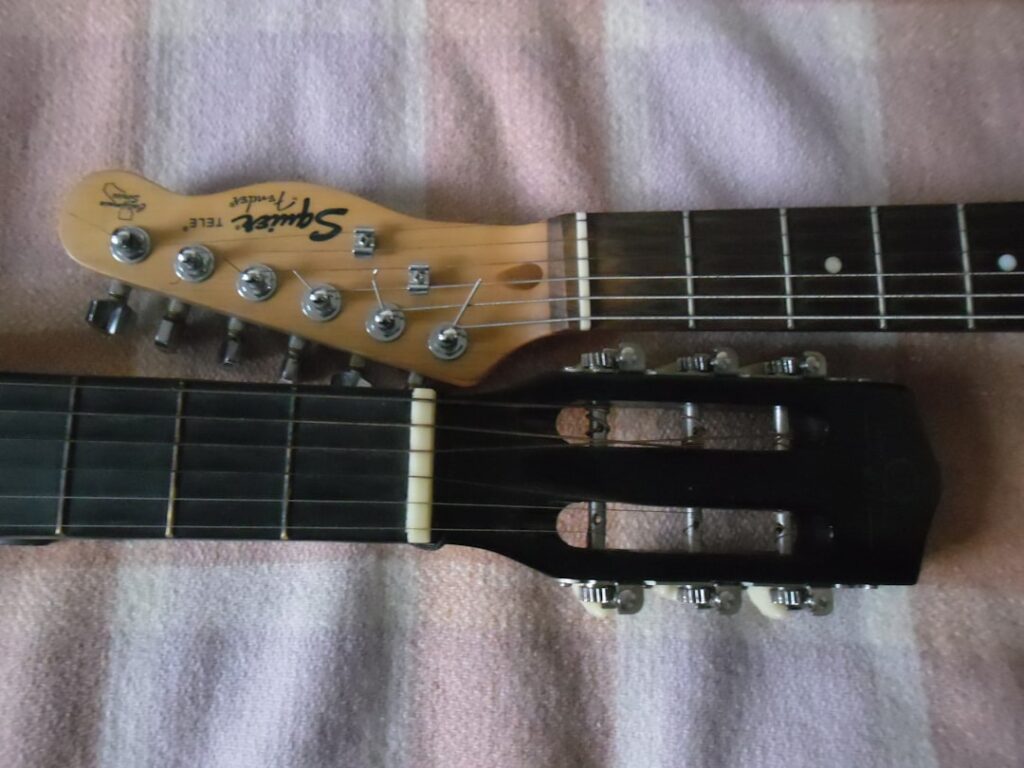
The fretboard is an essential part of any guitar, bass, or other stringed instrument. It is the surface where the player’s fingers make contact with the strings, and it plays a crucial role in the instrument’s playability and tone. Over time, the fretboard can accumulate dirt, sweat, and grime from regular playing, which can affect the feel and sound of the instrument. This is why regular fretboard maintenance is crucial for keeping your instrument in top condition.
Proper fretboard maintenance not only ensures that your instrument looks and feels great but also extends its lifespan. A clean fretboard can improve playability by reducing friction between the strings and the fretboard, making it easier to play and bend notes. Additionally, a clean fretboard can enhance the tone of the instrument by allowing the strings to vibrate freely without any obstruction from dirt or grime. Overall, maintaining a clean and well-conditioned fretboard is essential for preserving the playability, tone, and overall health of your instrument.
Choosing the Right Fretboard Cleaner
When it comes to cleaning your fretboard, it’s important to use the right cleaner to ensure that you don’t damage the wood or the instrument’s finish. There are several types of fretboard cleaners available on the market, each with its own set of pros and cons. One popular option is lemon oil, which is a natural cleaner and conditioner that can help remove dirt and grime while moisturizing the wood to prevent drying and cracking. Another common choice is a specialized fretboard cleaner, which is designed specifically for cleaning and conditioning fretboards without leaving any residue or buildup.
It’s important to avoid using household cleaners or products that contain harsh chemicals, as these can damage the wood and finish of the fretboard. Instead, opt for cleaners that are specifically formulated for use on fretboards and are safe for use on various types of wood. Additionally, consider the type of wood used in your instrument’s fretboard when choosing a cleaner, as different woods may require different cleaning and conditioning methods. Ultimately, selecting the right fretboard cleaner is crucial for effectively removing dirt and grime while preserving the integrity of the wood and finish.
Step-by-Step Fretboard Cleaning Process
Cleaning your fretboard is a relatively simple process that can be done at home with a few basic tools and materials. Here’s a step-by-step guide to cleaning your fretboard:
1. Remove the strings: Before cleaning your fretboard, it’s best to remove the strings to allow for easier access to the entire surface. Use a string winder to loosen the tension on the strings and carefully remove them from the instrument.
2. Clean the fretboard: Using a soft, lint-free cloth, gently wipe away any loose dirt or grime from the fretboard surface. For stubborn dirt or buildup, you can use a small amount of fretboard cleaner applied to the cloth to help lift away the debris.
3. Condition the wood: Once the fretboard is clean, apply a small amount of fretboard conditioner or lemon oil to a clean cloth and rub it into the wood in circular motions. This will help moisturize and protect the wood from drying out and cracking.
4. Wipe off excess conditioner: After conditioning the fretboard, use a clean cloth to wipe away any excess conditioner or oil to prevent buildup and ensure a smooth playing surface.
5. Re-string the instrument: Once the fretboard is clean and conditioned, re-string the instrument and tune it to pitch.
By following these simple steps, you can effectively clean and condition your fretboard to maintain its playability and appearance.
Tips for Cleaning Different Fretboard Materials
| Fretboard Material | Tips for Cleaning |
|---|---|
| Rosewood | Use a soft cloth with lemon oil to clean and condition the fretboard |
| Maple | Wipe the fretboard with a damp cloth and mild soap, then dry it thoroughly |
| Ebony | Use a soft cloth with a small amount of mineral oil to clean and condition the fretboard |
| Pau Ferro | Wipe the fretboard with a damp cloth and then apply a small amount of fretboard conditioner |
Different types of wood are commonly used for fretboards, each requiring specific care and maintenance to keep them in optimal condition. Here are some tips for cleaning different types of fretboard materials:
1. Rosewood: Rosewood is a popular choice for fretboards due to its durability and rich tone. When cleaning a rosewood fretboard, use a small amount of lemon oil or specialized fretboard cleaner to remove dirt and grime. Avoid using water or alcohol-based cleaners, as these can dry out the wood.
2. Maple: Maple fretboards have a smooth, bright tone and are often finished with a clear lacquer or varnish. To clean a maple fretboard, use a soft cloth dampened with water to gently wipe away any dirt or grime. Avoid using oil-based cleaners on maple fretboards, as they can leave a residue and affect the finish.
3. Ebony: Ebony is a dense and smooth wood commonly used for fretboards due to its durability and dark appearance. To clean an ebony fretboard, use a small amount of lemon oil or specialized cleaner to remove dirt and condition the wood. Avoid using abrasive cleaners or steel wool, as these can scratch the surface of the wood.
By following these tips for cleaning different types of fretboard materials, you can effectively maintain the playability and appearance of your instrument.
Maintaining the Health of Your Fretboard
In addition to regular cleaning and conditioning, there are several other steps you can take to maintain the health of your fretboard:
1. Monitor humidity levels: Wood is sensitive to changes in humidity, which can cause it to swell or shrink. To prevent damage to your fretboard, store your instrument in a controlled environment with stable humidity levels.
2. Protect against wear: Over time, playing your instrument can cause wear on the frets and fretboard surface. Consider using a protective film or guard on high-wear areas to prevent premature wear and tear.
3. Regular maintenance: In addition to cleaning and conditioning, regularly inspect your fretboard for any signs of damage or wear. Address any issues promptly to prevent further damage and maintain the playability of your instrument.
By taking these additional steps to maintain the health of your fretboard, you can ensure that your instrument remains in top condition for years to come.
Common Mistakes to Avoid When Cleaning Your Fretboard

While cleaning your fretboard is essential for maintaining your instrument’s playability and appearance, there are several common mistakes to avoid:
1. Using harsh chemicals: Avoid using household cleaners or products containing harsh chemicals on your fretboard, as these can damage the wood and finish.
2. Overusing conditioner: Applying too much conditioner or oil to your fretboard can leave behind a sticky residue that affects playability. Use a small amount and wipe away any excess to prevent buildup.
3. Neglecting regular maintenance: Regularly inspecting your fretboard for signs of wear or damage is crucial for preventing further issues and maintaining playability.
By avoiding these common mistakes when cleaning your fretboard, you can effectively preserve its health and appearance.
Additional Products and Tools for Fretboard Maintenance
In addition to cleaners and conditioners, there are several other products and tools that can help with fretboard maintenance:
1. Fret polishing pads: These specialized pads are designed to remove tarnish and oxidation from frets, improving playability and appearance.
2. Microfiber cloths: These soft, lint-free cloths are ideal for wiping down your fretboard without leaving behind any lint or residue.
3. Fretboard guards: These thin strips of material are placed under the strings to protect the fretboard surface while polishing or cleaning.
By using these additional products and tools for fretboard maintenance, you can ensure that your instrument remains in top condition for years to come.
In conclusion, maintaining a clean and well-conditioned fretboard is essential for preserving the playability, tone, and overall health of your instrument. By choosing the right cleaner, following a step-by-step cleaning process, and avoiding common mistakes, you can effectively clean and maintain your fretboard at home. Additionally, taking steps to monitor humidity levels, protect against wear, and regularly inspect your fretboard will help maintain its health over time. With proper care and maintenance, you can ensure that your instrument remains in top condition for years of playing enjoyment.