

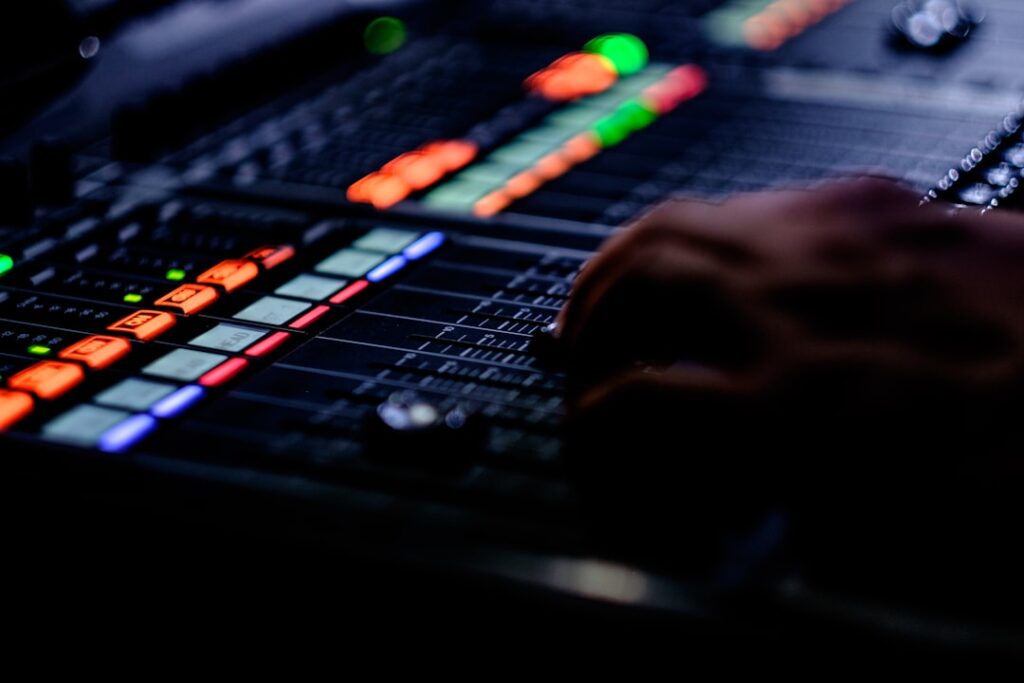
Feedback suppression is a crucial tool in the audio industry, especially in live performance and recording settings. Feedback occurs when the sound from a loudspeaker is picked up by a microphone and re-amplified, creating a loop of sound that can result in a high-pitched squeal or howl. This can be extremely disruptive and detrimental to the overall audio quality of a performance or recording. Feedback suppressors work by detecting the frequencies at which feedback occurs and then applying a notch filter to eliminate those frequencies, effectively preventing feedback from occurring.
Feedback suppression is achieved through the use of digital signal processing (DSP) technology, which allows for real-time analysis and manipulation of audio signals. By continuously monitoring the audio signal and applying filters as needed, feedback suppressors are able to effectively prevent feedback without significantly altering the overall sound quality. It’s important to note that feedback suppression is not the same as equalization. While equalization can help to mitigate feedback by reducing the overall level of certain frequencies, feedback suppressors are specifically designed to target and eliminate feedback frequencies in real time.
Choosing the Right Feedback Suppressor for Your Setup
When it comes to choosing the right feedback suppressor for your setup, there are several factors to consider. The first consideration is the size and complexity of your audio system. For smaller setups, a basic feedback suppressor with a few channels may be sufficient, while larger and more complex systems may require a more advanced feedback suppressor with multiple channels and additional features such as automatic filter adjustment and remote control capabilities.
Another important factor to consider is the type of microphones and loudspeakers being used in your setup. Different microphones and loudspeakers have different frequency response characteristics, so it’s important to choose a feedback suppressor that is compatible with the specific equipment you are using. Additionally, consider whether you need a feedback suppressor that can be integrated into your existing audio system or if you require a standalone unit.
It’s also important to consider the level of control and customization you need from your feedback suppressor. Some units offer more advanced features such as individual channel control, automatic filter adjustment, and the ability to store and recall presets, while others may offer a more basic set of controls. Ultimately, the right feedback suppressor for your setup will depend on the specific needs and requirements of your audio system.
Proper Placement and Setup of Feedback Suppressor
Proper placement and setup of a feedback suppressor are crucial for achieving optimal performance. The first step in setting up a feedback suppressor is to connect it to the audio system using the appropriate input and output connections. Once connected, it’s important to configure the feedback suppressor to match the specific requirements of your setup. This may include setting the number of channels, adjusting filter parameters, and configuring any additional features such as automatic filter adjustment or remote control capabilities.
In terms of placement, it’s important to position the feedback suppressor in a location where it can effectively monitor and process the audio signal. This typically means placing the unit between the mixer and the amplifiers or between the mixer and the loudspeakers. Additionally, it’s important to ensure that the feedback suppressor is positioned in a location where it can easily be accessed for adjustments and monitoring during live performances or recording sessions.
Once the feedback suppressor is properly connected and configured, it’s important to test and fine-tune the settings to ensure optimal performance. This may involve running sound checks, adjusting filter parameters, and making any necessary adjustments to prevent feedback from occurring. Proper placement and setup of a feedback suppressor are essential for achieving effective feedback suppression without compromising overall audio quality.
Using Feedback Suppressor in Live Performance Settings
| Feedback Suppressor Metrics | Live Performance Settings |
|---|---|
| Reduction in Feedback | Significant reduction in feedback instances during live performances |
| Effect on Sound Quality | Minimal impact on sound quality when used appropriately |
| Adjustability | Ability to adjust settings to suit different venues and sound systems |
| Compatibility | Compatibility with various audio equipment and setups |
| Ease of Use | Straightforward and user-friendly interface for easy operation |
In live performance settings, feedback suppressors play a critical role in ensuring clear and consistent audio quality. When using a feedback suppressor in a live performance setting, it’s important to consider factors such as stage layout, microphone placement, and monitor positioning. Proper placement of microphones and monitors can help to minimize the risk of feedback occurring, while a well-configured feedback suppressor can provide an additional layer of protection against feedback.
During live performances, it’s important to continuously monitor the audio signal and make any necessary adjustments to the feedback suppressor settings as needed. This may involve adjusting filter parameters, monitoring signal levels, and making any necessary changes to prevent feedback from occurring. Additionally, it’s important to have a backup plan in place in case feedback does occur, such as using spare microphones or adjusting monitor positions.
It’s also important to communicate with performers and sound engineers to ensure that everyone is aware of the potential for feedback and how it can be prevented. By working together as a team and being proactive in addressing potential issues, live performances can be conducted with minimal risk of feedback occurring. Overall, using a feedback suppressor in live performance settings requires careful planning, continuous monitoring, and effective communication to ensure optimal audio quality.
Utilizing Feedback Suppressor in Recording Studios
In recording studios, feedback suppressors are essential tools for maintaining clean and professional audio recordings. When utilizing a feedback suppressor in a recording studio, it’s important to consider factors such as microphone placement, room acoustics, and signal routing. Proper microphone placement can help to minimize the risk of feedback occurring, while a well-configured feedback suppressor can provide an additional layer of protection against feedback during recording sessions.
During recording sessions, it’s important to continuously monitor the audio signal and make any necessary adjustments to the feedback suppressor settings as needed. This may involve adjusting filter parameters, monitoring signal levels, and making any necessary changes to prevent feedback from occurring. Additionally, it’s important to have backup plans in place in case feedback does occur, such as using different microphones or adjusting room acoustics.
It’s also important to communicate with recording engineers and performers to ensure that everyone is aware of the potential for feedback and how it can be prevented. By working together as a team and being proactive in addressing potential issues, recording sessions can be conducted with minimal risk of feedback occurring. Overall, utilizing a feedback suppressor in recording studios requires careful planning, continuous monitoring, and effective communication to ensure optimal audio quality.
Troubleshooting Common Issues with Feedback Suppression

While feedback suppressors are powerful tools for preventing feedback, there are some common issues that may arise when using these devices. One common issue is over-filtering, which occurs when the feedback suppressor applies too many filters or applies filters too aggressively, resulting in a noticeable degradation of audio quality. This can be addressed by carefully adjusting filter parameters and finding a balance between effective feedback suppression and maintaining overall audio quality.
Another common issue is improper placement or setup of the feedback suppressor, which can result in ineffective feedback suppression or unintended side effects such as signal degradation or latency. This can be addressed by carefully reviewing the placement and setup of the feedback suppressor, ensuring that it is properly connected and configured to match the specific requirements of the audio system.
Additionally, interference from other electronic devices or environmental factors such as room acoustics can impact the performance of a feedback suppressor. This can be addressed by identifying and mitigating sources of interference, such as relocating electronic devices or making adjustments to room acoustics as needed.
Overall, troubleshooting common issues with feedback suppression requires careful analysis of the specific issues at hand and making any necessary adjustments to ensure optimal performance.
Tips for Maximizing Audio Quality with Feedback Suppressor
When using a feedback suppressor, there are several tips for maximizing audio quality while effectively preventing feedback. One tip is to carefully adjust filter parameters to target specific frequencies at which feedback occurs while minimizing impact on overall audio quality. By fine-tuning filter settings, it’s possible to achieve effective feedback suppression without significantly altering the sound of the audio signal.
Another tip is to continuously monitor signal levels and make any necessary adjustments to the feedback suppressor settings as needed. By staying vigilant and proactive in addressing potential issues, it’s possible to prevent feedback from occurring while maintaining consistent audio quality throughout live performances or recording sessions.
It’s also important to communicate with performers, sound engineers, and recording engineers to ensure that everyone is aware of the potential for feedback and how it can be prevented. By working together as a team and being proactive in addressing potential issues, audio quality can be maximized while minimizing the risk of feedback occurring.
Overall, maximizing audio quality with a feedback suppressor requires careful planning, continuous monitoring, effective communication, and proactive problem-solving to ensure optimal performance.